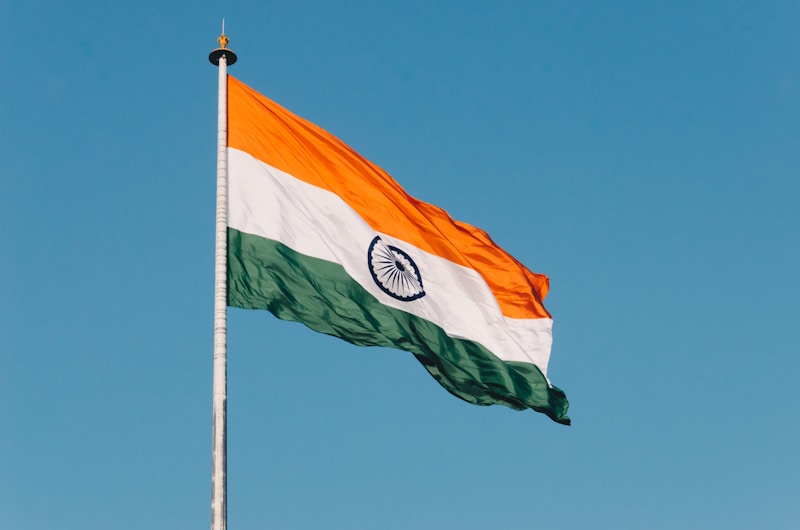
In a historic moment for Indian diplomacy, the United Nations General Assembly voted to expand the UN Security Council and grant India a permanent seat. The vote, which required a two-thirds majority, passed with 148 nations in favour.
India joins the existing P5 members — the United States, United Kingdom, France, Russia, and China — in the newly expanded P6 structure. Brazil and Germany were also granted permanent seats in the same resolution.
Prime Minister addressed the nation saying, "This is a recognition not just of India's power, but of India's philosophy. We have always stood for dialogue, democracy, and a multipolar world order."
The road to this moment was long. India has campaigned for a permanent seat since the 1990s through the G4 grouping alongside Brazil, Germany, and Japan. Sustained diplomatic effort, India's growing economic weight, and its role as a leading voice of the Global South finally tipped the balance.
China, notably, abstained from the vote rather than vetoing — a significant shift from its traditionally hostile stance on Indian membership.