World affairs in 2026 continue to be shaped by a complex mix of geopolitical tensions, diplomatic negotiations, economic competition, and security concerns that are influencing international relations across every region. Governments around the world are facing growing pressure to balance national interests with global stability as conflicts, trade disputes, and strategic rivalries intensify.
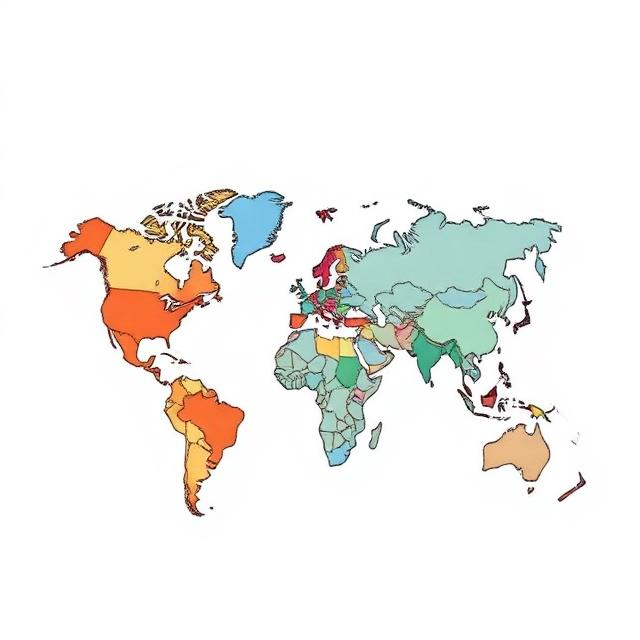
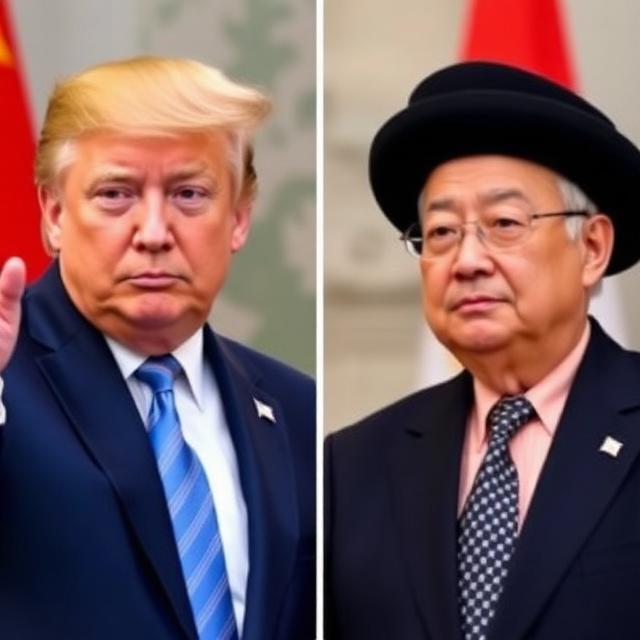
One of the most significant developments in global affairs this year has been the rise in geopolitical tensions between major world powers. Strategic competition over trade, technology, military influence, and regional security has increased diplomatic pressure in several parts of the world. Nations are strengthening alliances, reviewing defense policies, and investing more in strategic partnerships as they seek to protect their economic and political interests.
Conflict zones in the Middle East, Eastern Europe, and parts of Asia continue to remain major concerns for international diplomacy. Governments and global organizations are actively engaged in talks aimed at reducing military escalation and preventing wider regional instability. However, analysts say peace efforts remain difficult as political interests, security concerns, and historical tensions continue to complicate negotiations.
Trade relations are also playing a major role in world affairs. Economic competition between powerful nations is increasingly affecting global supply chains, technology exports, energy markets, and industrial policy. Tariffs, trade restrictions, and sanctions have become important diplomatic tools, but they also create uncertainty for businesses and financial markets around the world.
International organizations such as the United Nations, NATO, G20, and regional alliances are facing growing pressure to respond effectively to global crises. From climate challenges and humanitarian emergencies to conflict mediation and economic cooperation, multilateral diplomacy is becoming more important as global issues become increasingly interconnected.
Migration and border security are also emerging as key topics in world affairs. Political instability, economic hardship, climate events, and conflict in several regions have increased migration pressures, leading many governments to review immigration policies and strengthen border management strategies. These issues continue to create political debate in many countries.
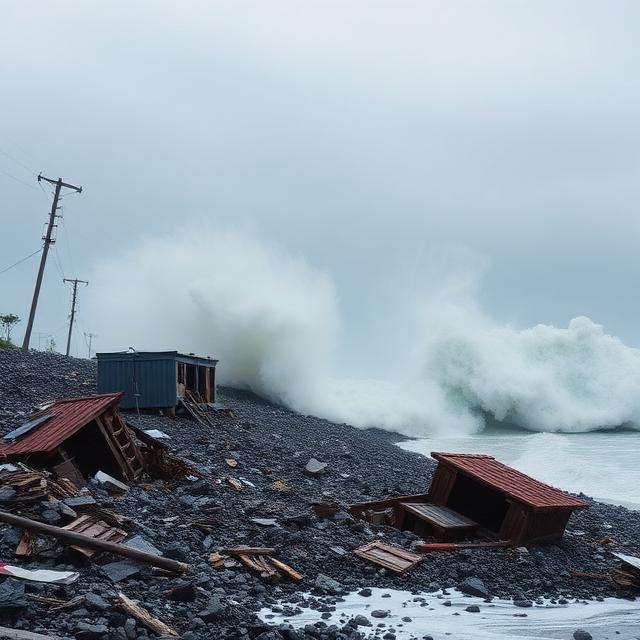
Climate diplomacy has become another major part of international affairs in 2026. Governments are negotiating energy transition plans, emissions reduction targets, and climate financing agreements while also balancing domestic economic pressures. Developing nations continue to push for greater financial support from wealthier countries to address climate-related risks.
Cybersecurity and digital warfare are now central to global diplomacy as governments face rising threats involving cyberattacks, disinformation campaigns, digital espionage, and critical infrastructure protection. Experts say future geopolitical conflicts may increasingly involve digital and technological competition rather than only traditional military confrontation.
Analysts believe the international order is going through a period of transition as emerging powers seek greater influence while established powers work to maintain leadership in global institutions. This shift is creating both opportunities for cooperation and risks of confrontation.
As diplomatic negotiations continue across multiple fronts, world affairs in 2026 are being defined by a fragile balance between cooperation and competition. The decisions made by global leaders in the coming months could have lasting effects on international peace, trade, security, and the future direction of global politics.