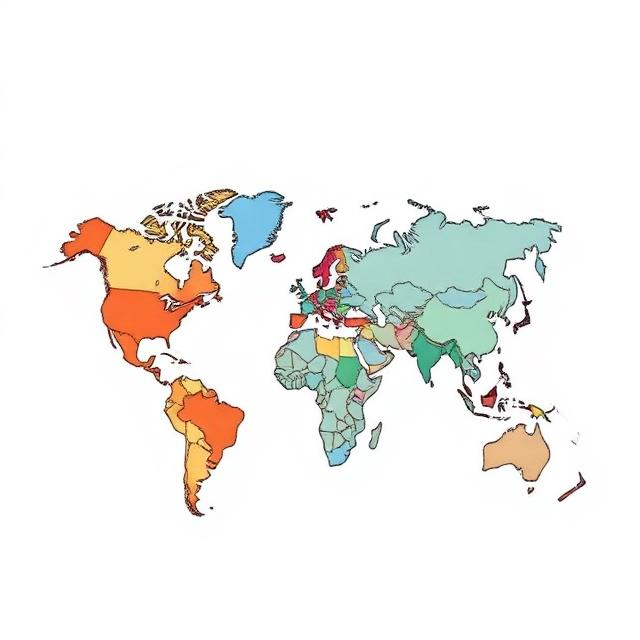
Climate-related disasters are becoming more frequent and severe around the world in 2026 as governments face growing pressure to strengthen emergency preparedness, infrastructure resilience, and environmental policies. Scientists warn that rising global temperatures are contributing to more intense weather events across multiple regions.
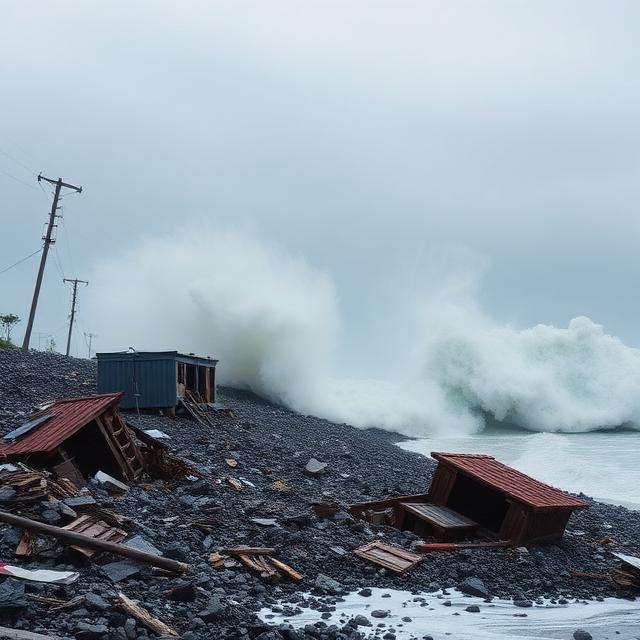
Several countries have recently experienced severe heatwaves, floods, storms, droughts, and wildfires that disrupted transportation systems, damaged infrastructure, affected agriculture, and displaced thousands of people. Emergency response agencies are struggling to manage increasingly unpredictable climate events that are occurring with greater intensity than previous years.
Heatwaves have become a major concern for public health systems worldwide. Higher temperatures are increasing risks of dehydration, heatstroke, water shortages, and electricity demand due to rising use of cooling systems. Cities are now investing in heat management strategies, green infrastructure, and climate adaptation planning to reduce long-term risks.
Flooding has also caused major economic damage in several regions. Heavy rainfall and rising sea levels are affecting coastal cities, transportation networks, and farming communities. Insurance companies are reporting increasing financial losses linked to climate disasters, raising concerns about long-term economic impact.
Wildfires remain another major global challenge. Dry conditions, strong winds, and prolonged heat have contributed to large-scale fires that destroyed forests, homes, and wildlife habitats. Environmental experts warn that wildfire seasons are becoming longer and more dangerous due to changing climate patterns.
Governments are increasing investment in climate resilience projects including flood defenses, renewable energy systems, disaster response infrastructure, and water management programs. International climate discussions are also focusing on funding support for vulnerable nations facing the highest environmental risks.
Climate migration is becoming a growing issue in world affairs as environmental disasters force some communities to relocate. Analysts say climate-related displacement could increase significantly in the coming decades if extreme weather conditions continue worsening.
Businesses and investors are also adapting to climate risks by reviewing supply chains, infrastructure exposure, insurance strategies, and sustainability planning. Climate resilience is increasingly being treated as both an environmental and economic priority.
Scientists emphasize that while climate adaptation efforts are important, reducing greenhouse gas emissions remains critical for limiting long-term environmental damage. Experts warn that without faster global action, climate-related disruptions could become even more severe in future years.