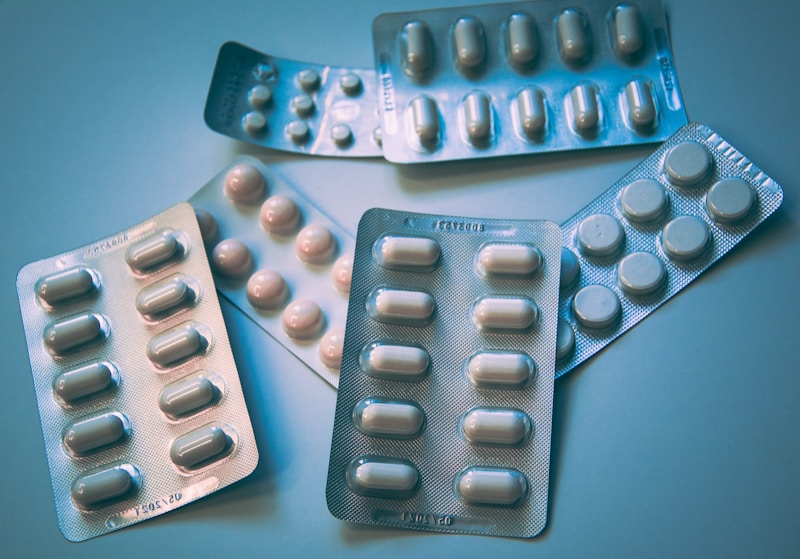
GLP-1 receptor agonists — the class of drugs that includes Ozempic and Wegovy — have become the fastest-adopted category of prescription medications in US pharmaceutical history, with active prescriptions surging to 15 million American patients and total market value exceeding $30 billion annually.
The clinical data driving adoption is compelling. Clinical trials show average weight loss of 15-22% of body weight — substantially more than any previous pharmaceutical intervention. More significantly, the SURMOUNT-MMO trial demonstrated a 20% reduction in major cardiovascular events for obese patients without diabetes, prompting FDA approval of Wegovy specifically for cardiovascular risk reduction in 2024.
The economic implications extend far beyond the drug companies. McDonald's, PepsiCo, and Hershey have all publicly acknowledged in investor calls that GLP-1 adoption is affecting food sales volumes. Portion sizes ordered by American consumers are measurably declining in markets with high GLP-1 adoption rates. The athletic apparel industry is also tracking the trend, with Lululemon and Nike reporting increased demand for smaller sizes.
Access and equity remain serious concerns. At $1,000+ per month without insurance, the drugs are inaccessible to many Americans. Medicaid coverage has been inconsistent across states, and Medicare only recently approved coverage for the cardiovascular indication, leaving most low-income elderly patients without access.
Eli Lilly's Mounjaro and Zepbound are competing aggressively with Novo Nordisk's offerings, and several once-weekly oral formulations are in late-stage trials that could dramatically increase accessibility and reduce costs within three years.