
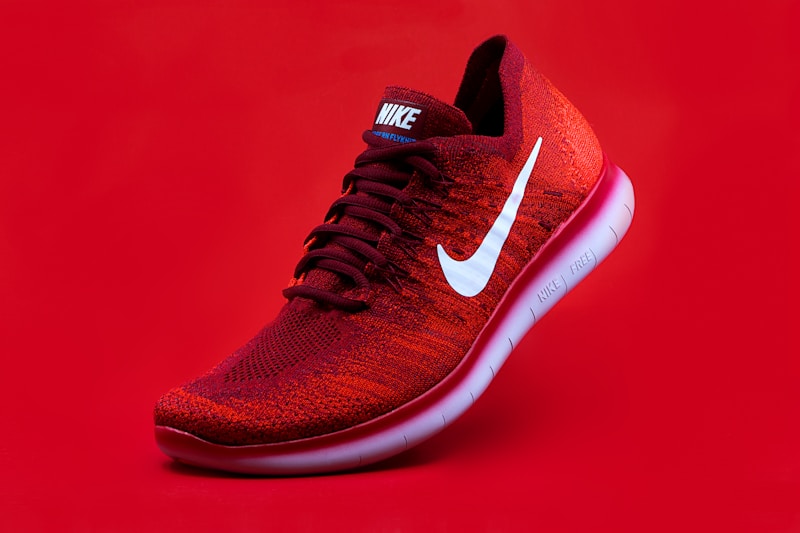
Nike and Adidas are engaged in their most intense competition for American market share since the 1990s Air Jordan era, and the stakes are enormous. The US athletic footwear market is worth $45 billion annually, with Nike holding 38% share and Adidas 12% — but Adidas is gaining ground faster than it has in two decades.
Nike's strategy centers on technology and direct-to-consumer. The company has invested $1.2 billion in AI-powered product development, creating shoes that are individually tuned to biomechanical data. The Nike By You program, which allows American consumers to customize colorways and materials, has grown to $2 billion in US revenue.
Adidas's comeback has been driven by two forces: the Samba and Gazelle lifestyle shoe phenomenon — which has made Adidas the most-worn brand among American 18-24-year-olds for the first time — and the blockbuster performance of the Adidas Ultraboost running platform, which reclaimed the top spot in runner recommendations for the first time in a decade.
Both companies are investing heavily in sustainable manufacturing as American consumers — particularly Gen Z — increasingly factor environmental credentials into footwear purchasing decisions. Nike's Move to Zero initiative has reduced its US manufacturing carbon footprint 28%. Adidas's Parley ocean plastic shoes have become its best-selling sustainable line.