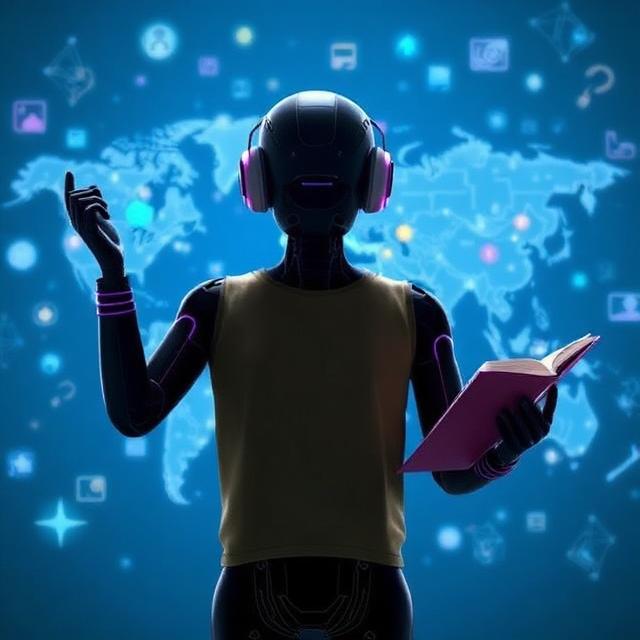
Education systems around the world are undergoing major transformation in 2026 as artificial intelligence, online learning platforms, and digital classroom technologies continue changing how students learn and how teachers deliver education. Experts say the education sector is entering one of the biggest technological transitions in modern history.
Artificial intelligence is becoming increasingly common in classrooms and online learning environments. Schools and universities are using AI-powered systems to personalize lessons, track student performance, automate grading, and provide customized learning recommendations based on individual progress and learning styles.
Digital learning platforms have expanded rapidly in both developed and emerging economies. Students now have greater access to online courses, virtual classrooms, recorded lectures, and interactive educational tools. Analysts say remote and hybrid learning models introduced in recent years continue influencing long-term educational strategies worldwide.
Governments are investing heavily in education technology infrastructure to improve digital access and reduce learning gaps. Several countries are expanding internet connectivity, providing low-cost devices to students, and introducing digital literacy programs aimed at preparing younger generations for technology-driven economies.
Universities and employers are also placing greater emphasis on technical and practical skills. Artificial intelligence, cybersecurity, data science, robotics, cloud computing, and software development are becoming some of the most in-demand educational fields globally. Traditional academic programs are increasingly being updated to include digital and industry-focused training.
AI tutors and virtual assistants are helping students receive instant academic support outside traditional classroom hours. Experts believe these systems could improve educational accessibility for students in remote or underserved regions where teacher shortages remain a major challenge.
However, education experts are also raising concerns about excessive screen time, reduced social interaction, academic integrity issues, and unequal access to digital resources. Students in lower-income regions still face challenges involving internet access, device affordability, and technological infrastructure.
Teachers are adapting to changing classroom environments by integrating technology into lesson planning and student engagement strategies. Many educators say technology should support teaching rather than completely replace human interaction and critical thinking development.
The global online education market continues expanding rapidly as professional certification programs, remote learning courses, and digital universities attract millions of learners worldwide. Lifelong learning and continuous skill development are becoming increasingly important in rapidly changing job markets.
Experts believe the future of education will involve a combination of traditional teaching methods and advanced digital tools that improve accessibility, flexibility, and personalized learning opportunities for students worldwide.