
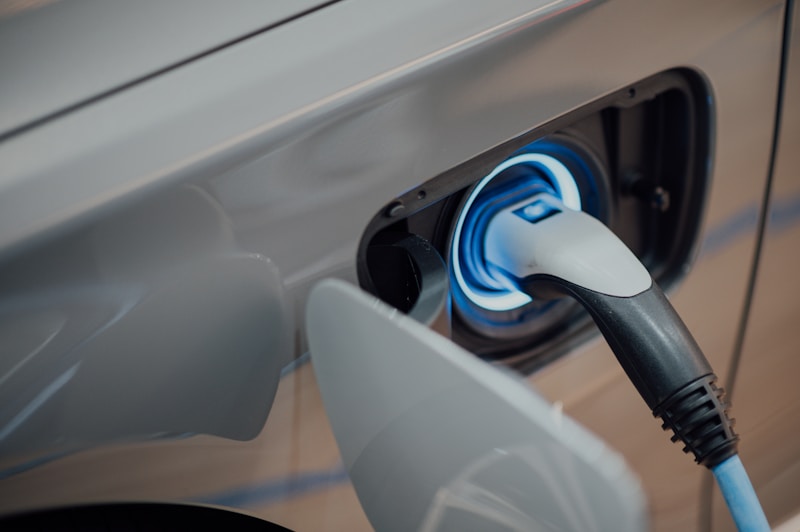
Electric vehicles accounted for 25.3% of all new passenger vehicles sold in the United States last quarter — crossing the 25% threshold that automotive industry economists define as the tipping point for irreversible mainstream adoption. The milestone arrives three years ahead of most industry forecasts made in 2021.
Three forces drove the acceleration. Federal EV tax credits of up to $7,500 reduced the effective purchase price significantly. A dramatic expansion of the US public charging network — now over 180,000 Level 2 and DC fast charge stations — eliminated the range anxiety that previously deterred buyers. And automaker price cuts, led by Tesla and followed by Ford, GM, and the Korean brands, brought EVs to price parity with comparable gasoline vehicles in most segments.
Tesla remains the US EV market leader with 45% share, but its dominance is declining. Ford's F-150 Lightning is the best-selling EV pickup. Chevrolet Equinox EV has become the best-selling EV under $35,000. And Hyundai and Kia collectively hold 18% of the US EV market, up from 6% three years ago.
Gas station operators and oil companies are beginning to announce major investment shifts. ExxonMobil has announced it will convert 2,000 US gas stations to include EV charging by 2027.